
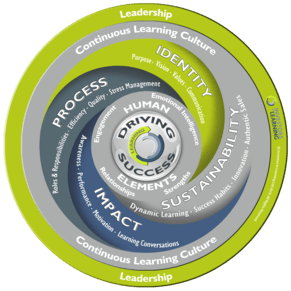
DRIVING SUCCESS
leadershipCONTINUOUS LEARNING CULTURE
human elements
identity
process
impact
sustainability
Covid-19 and Learning Culture
Survey & Needs Analysis
Learning Culture Needs Analysis for Individuals, Teams and Organisations (Optional ILM accreditation)
Our Learning Culture Needs Analysis includes:
- A focus on a clear process to effectively capture all the necessary data to design, implement and review your unique programme
- Step 1 - Where you are now? Your Current state - Data collection and analysis
- Step 2 - Where you wish to be ? Visioning the desired future and your success criteria
- Step 3 - How will we get there? The design of the programme to maximise engagement and long term impact
- Step 4 - Implementation & sustaining the impact - How will we monitor and evaluate the success? Achieving the desired result and Monitoring the impact over time

By participating in and conducting a Learning Culture Needs Assessment, you can immediately claim the Investors in Learning Bronze Quality Award
Please click here for more information
Covid-19 and Learning Culture Survey & Needs Analysis
Learning Culture Needs Analysis for Individuals, Teams and Organisations (Optional ILM accreditation)
DRIVING SUCCESS
leadershipCONTINUOUS LEARNING CULTURE
human elements
identity
process
impact
sustainability
Our Learning Culture Needs Analysis includes:
- A focus on a clear process to effectively capture all the necessary data to design, implement and review your unique programme
- Step 1 - Where you are now? Your Current state - Data collection and analysis
- Step 2 - Where you wish to be ? Visioning the desired future and your success criteria
- Step 3 - How will we get there? The design of the programme to maximise engagement and long term impact
- Step 4 - Implementation & sustaining the impact - How will we monitor and evaluate the success? Achieving the desired result and Monitoring the impact over time
By participating in and conducting a Learning Culture Needs Assessment, you can immediately claim the Investors in Learning Bronze Quality Award
Please click here for more information
Let's Talk
To learn more about how Investors in Learning can help assess your needs and create a plan for action, simply get in touch today
About our Learning Culture Needs Analysis
Anyone about to set out onto a journey will know that, as well as having a clear purpose and destination, we also need to know exactly where we are starting from. As well as that, we also need to understand the key ingredients that will support us on this journey in order to make the journey a success.
At Investors in Learning we have created a unique Driving Success Model, which acts as a Needs Analysis Tool, and Quality Framework. We designed this to gain insight into the factors that we need to focus on when designing learning experiences and change programmes. By focusing on the key factors that up-to-date research tells us are vital to long term success, we can then create the desired lasting changes that are important to individuals, teams and whole organisations.
Our comprehensive Needs Analysis informs the direction of travel for you as an individual, team or whole organisation and helps to ensure the necessary actions are identified and prioritised.
Our Needs Analysis can also be understood as a Health Check, assessing all factors that may be underlying the concerns or challenges, so that we understand what to focus on.
As we always aim for excellent, and never for average, Learning Organisation characteristics are assessed throughout the Needs Analysis. These ingredients are core to assessing the sustainability and long term success of your organisation. Research shows us that the Learning Culture and Learning Organisation characteristics will be the drivers that create engagement and productivity into the long term. Learning Cultures and Learning Organisations are being increasingly found to be the most successful organisations into the long term.
The outcome of the Needs Analysis will be the valuable data to inform discussions and ultimately the design of your programme.
If you wish to know more about our key characteristics of Learning Organisations then please contact us
About our Learning Culture Needs Analysis
Anyone about to set out onto a journey will know that, as well as having a clear purpose and destination, we also need to know exactly where we are starting from. As well as that, we also need to understand the key ingredients that will support us on this journey in order to make the journey a success.
At Investors in Learning we have created a unique Driving Success Model, which acts as a Needs Analysis Tool, and Quality Framework. We designed this to gain insight into the factors that we need to focus on when designing learning experiences and change programmes. By focusing on the key factors that up-to-date research tells us are vital to long term success, we can then create the desired lasting changes that are important to individuals, teams and whole organisations.
Our comprehensive Needs Analysis informs the direction of travel for you as an individual, team or whole organisation and helps to ensure the necessary actions are identified and prioritised.
Our Needs Analysis can also be understood as a Health Check, assessing all factors that may be underlying the concerns or challenges, so that we understand what to focus on.
As we always aim for excellent, and never for average, Learning Organisation characteristics are assessed throughout the Needs Analysis. These ingredients are core to assessing the sustainability and long term success of your organisation. Research shows us that the Learning Culture and Learning Organisation characteristics will be the drivers that create engagement and productivity into the long term. Learning Cultures and Learning Organisations are being increasingly found to be the most successful organisations into the long term.
The outcome of the Needs Analysis will be the valuable data to inform discussions and ultimately the design of your programme.
If you wish to know more about our key characteristics of Learning Organisations then please contact us
ILM accreditation
ILM accreditation
Let's Talk
To learn more about how Investors in Learning can help assess your needs and create a plan for action, simply get in touch today
Why is a Needs Analysis so paramount? Why do a Needs Analysis? What are the key benefits?
Without a Needs Analysis we are tapping in the dark.
"If I had 60 minutes to save the world, I would spend 30 minutes analysing and understanding the problems and current challenges, and root causes, 20 minutes planning the interventions to tackle these challenges and 10 minutes with the actual intervention."
Albert Einstein
Research shows that very often people engage in solutions or implementing programmes without having thought about the desired future they are wishing to create, or the challenges they are wishing to solve. In effect then they do not know why they are investing in a particular solution and merely adapting the approach of hoping that something will have an impact, without clarity about the impact that they are truly seeking.
Research shows again and again that programmes in organisations are not having the desired impact or achieving the change the people are seeking.
The whole point in designing and implementing any learning programme is to have a specific impact, to create some type of change. At Investors in Learning, we focus on creating sustainable impact or change as we aim to help individuals, teams and organisations to achieve results into the long term. This is why we prefer the term learning programme rather than training , as we are trying to instill and embed new learning which lasts into the long term to drive success sustainably into the future.
Evaluation of training or learning programmes often end up showing that there is no long-term impact. There may be a rise in motivation or increase in certain skills short term, however the most challenging is to achieve desired success into the long term.
This is why we so urgently require a Needs Analysis. It will give us the data with which we can start to see real, measurable and tangible changes, which can then hone discussions, exploration, and the planning of the action that needs to be taken.
To evaluate any program, we actually need to know what we are evaluating, what are we were measuring, and what the desired outcome is meant to be. These are often questions that go unanswered before programmes commence. This then causes confusion and lack of clarity when trying to evaluate impact. In order to truly evaluate impact, we need to determine what we want to impact on and how we will measure this, prior to the commencement of the program. Then we can evaluate the impact on specific measures over time. Importantly, as life changes so rapidly, we also need to monitor these measures to ensure that we are still focusing on the right things.
Some key issues that are often ignored in the design and implementation of programmes.
Without conducting a comprehensive Needs Analysis we are not able to determine the factors that are driving our challenges and successes, and therefore we do not know what to focus on, we do not know how to define our success criteria of any change program, and we do not know how to measure the desired impact.
Common issues are:
- Nothing is done to examine the current state prior to implementation.
- There is no knowledge or data collection strategy or approach about the factors that are causing and underpinning our challenges and successes.
- There are no clear success criteria, factors to measure or KPIs by which we can evaluate our programmes and achieve clarity of the desired impact that we are seeking from any change programmes.
- A lot of programmes are delivered based on pure assumptions and without any data to make informed our judgements or decisions.
By conducting our Learning Culture Needs Analysis
- We are providing you with the all-important information to understand the factors that are driving our challenges and successes, which helps in the identification of root causes.
- It examines the essential factors that are key to driving sustainable success.
- The results of the Needs Analysis will determine the priorities that you have as an individual, team or organisation.
- The essential data provides essential clarity and informs where we need to focus our efforts in order to have the desired impact we are seeking and gives us the power to make informed decisions.
- We are able to determine the factors we need to focus on when designing and implementing any change programme.
- Given these priorities we can then tailor the solutions to directly meet your challenges and needs.
- We are able to determine exactly the impact we are seeking,, the success criteria we need to meet, KPIs, and the areas we need to monitor and review.
- We can create data comparisons over time by repeating the Needs Analysis
Our Needs Analysis is the first step, focusing on defining your Current State, so we can plan the key steps to effectively Design, Implement and Review your unique Change Programme.
- Step 1
- Where we are now? Needs Analysis - Exploration, data collection and analysis
- Step 2
- Where we wish to be? Visioning the desired future and deciding on what we need to measure in order to evaluate the impact
- Step 3
- How we will get there? Understanding the key factors that we will focus on and the design of the programme in order to maximise engagement
- Step 4
- How will we monitor and evaluate the success? Achieving the desired result and Monitoring the impact
Using our Driving Success model, we address key elements fundamental to driving sustainable change; we answer key questions within each of these elements so that we can hone our thinking and assess the current and desired state of the individual, team or the whole organisation .
It looks at the essential factors that are key to Driving sustainable success. The results of the Needs Analysis will then determine the priorities that you have as an individual, team or organisation. Given these priorities we can then tailor the solutions to meet your needs. The Needs Analysis provides the essential clarity that we need to understand what it is we need to change and why.
The Driving Success model also acts as a competency-based model and we can measure the traits that currently exist in your organisation and assess any major gaps that exist that need to be addressed. We can also do this in relation to specific roles.
For more information about the Driving Success Model, please click here
Why is a Needs Analysis so paramount? Why do a Needs Analysis? What are the key benefits?
Without a Needs Analysis we are tapping in the dark.
"If I had 60 minutes to save the world, I would spend 30 minutes analysing and understanding the problems and current challenges, and root causes, 20 minutes planning the interventions to tackle these challenges and 10 minutes with the actual intervention."
Albert Einstein
Research shows that very often people engage in solutions or implementing programmes without having thought about the desired future they are wishing to create, or the challenges they are wishing to solve. In effect then they do not know why they are investing in a particular solution and merely adapting the approach of hoping that something will have an impact, without clarity about the impact that they are truly seeking.
Research shows again and again that programmes in organisations are not having the desired impact or achieving the change the people are seeking.
The whole point in designing and implementing any learning programme is to have a specific impact, to create some type of change. At Investors in Learning, we focus on creating sustainable impact or change as we aim to help individuals, teams and organisations to achieve results into the long term. This is why we prefer the term learning programme rather than training , as we are trying to instill and embed new learning which lasts into the long term to drive success sustainably into the future.
Evaluation of training or learning programmes often end up showing that there is no long-term impact. There may be a rise in motivation or increase in certain skills short term, however the most challenging is to achieve desired success into the long term.
This is why we so urgently require a Needs Analysis. It will give us the data with which we can start to see real, measurable and tangible changes, which can then hone discussions, exploration, and the planning of the action that needs to be taken.
To evaluate any program, we actually need to know what we are evaluating, what are we were measuring, and what the desired outcome is meant to be. These are often questions that go unanswered before programmes commence. This then causes confusion and lack of clarity when trying to evaluate impact. In order to truly evaluate impact, we need to determine what we want to impact on and how we will measure this, prior to the commencement of the program. Then we can evaluate the impact on specific measures over time. Importantly, as life changes so rapidly, we also need to monitor these measures to ensure that we are still focusing on the right things.
Some key issues that are often ignored in the design and implementation of programmes.
Without conducting a comprehensive Needs Analysis we are not able to determine the factors that are driving our challenges and successes, and therefore we do not know what to focus on, we do not know how to define our success criteria of any change program, and we do not know how to measure the desired impact.
Common issues are:
- Nothing is done to examine the current state prior to implementation.
- There is no knowledge or data collection strategy or approach about the factors that are causing and underpinning our challenges and successes.
- There are no clear success criteria, factors to measure or KPIs by which we can evaluate our programmes and achieve clarity of the desired impact that we are seeking from any change programmes.
- A lot of programmes are delivered based on pure assumptions and without any data to make informed our judgements or decisions.
By conducting our Learning Culture Needs Analysis
- We are providing you with the all-important information to understand the factors that are driving our challenges and successes, which helps in the identification of root causes.
- It examines the essential factors that are key to driving sustainable success.
- The results of the Needs Analysis will determine the priorities that you have as an individual, team or organisation.
- The essential data provides essential clarity and informs where we need to focus our efforts in order to have the desired impact we are seeking and gives us the power to make informed decisions.
- We are able to determine the factors we need to focus on when designing and implementing any change programme.
- Given these priorities we can then tailor the solutions to directly meet your challenges and needs.
- We are able to determine exactly the impact we are seeking,, the success criteria we need to meet, KPIs, and the areas we need to monitor and review.
- We can create data comparisons over time by repeating the Needs Analysis
Our Needs Analysis is the first step, focusing on defining your Current State, so we can plan the key steps to effectively Design, Implement and Review your unique Change Programme.
- Step 1
- Where we are now? Needs Analysis - Exploration, data collection and analysis
- Step 2
- Where we wish to be? Visioning the desired future and deciding on what we need to measure in order to evaluate the impact
- Step 3
- How we will get there? Understanding the key factors that we will focus on and the design of the programme in order to maximise engagement
- Step 4
- How will we monitor and evaluate the success? Achieving the desired result and Monitoring the impact
It looks at the essential factors that are key to Driving sustainable success. The results of the Needs Analysis will then determine the priorities that you have as an individual, team or organisation. Given these priorities we can then tailor the solutions to meet your needs. The Needs Analysis provides the essential clarity that we need to understand what it is we need to change and why.
The Driving Success model also acts as a competency-based model and we can measure the traits that currently exist in your organisation and assess any major gaps that exist that need to be addressed. We can also do this in relation to specific roles.
For more information about the Driving Success Model, please click here
Want to know even more?
Understanding and gathering data on the Current State, Desired Future State and what we are monitoring and measuring
In order to be systematic about implementation of a solution, we need to analyse the current state and then let that inform our future state. We need to collect data, which will help us to assess the reality and inform our judgement of where we are now. A plan of action needs to be directly linked to our challenges, addressing core drivers of success, rather than just jumping straight to implementation without understanding the rationale or purpose.We need to know what we are trying to address, and the actual desired changes we are wishing to make. We need to know what our desired future looks like before we start implementing change. Then we are in a good position with clarity of what our desired future looks like as well as the factors that we need to influence.
Einstein said:
This is a similar rationale and approach to the one we have, so we spend time planning to understand our current state , before we start designing the solution. We would not build a house without considering the needs of the people who will live there, the architects drawing and analysis of the stability of the foundations. If we plan and design everything around the actual facts and root causes, then we can be safe in the knowledge that we are focusing on the right things during the build.
Importantly we also need to know what we are measuring and how we will evaluate what we have achieved and the impact it is having.
Key Outcomes of the Programme
This programme will support you to:- Assess your needs, priorities and challenges
- Create data on your current state in order to inform decision making on the changes that need to be made in order to drive your success sustainably into the future
- Clarify and prioritise your success criteria as well as what we are measuring to evaluate the impact and results
- Design the implementation plan, with focus on the desired impact
- Create a monitoring and review plan in order to ensure sustainable success into the future.
Want to know even more?
Understanding and gathering data on the Current State, Desired Future State and what we are monitoring and measuring
In order to be systematic about implementation of a solution, we need to analyse the current state and then let that inform our future state. We need to collect data, which will help us to assess the reality and inform our judgement of where we are now. A plan of action needs to be directly linked to our challenges, addressing core drivers of success, rather than just jumping straight to implementation without understanding the rationale or purpose.We need to know what we are trying to address, and the actual desired changes we are wishing to make. We need to know what our desired future looks like before we start implementing change. Then we are in a good position with clarity of what our desired future looks like as well as the factors that we need to influence.
Einstein said:
This is a similar rationale and approach to the one we have, so we spend time planning to understand our current state , before we start designing the solution. We would not build a house without considering the needs of the people who will live there, the architects drawing and analysis of the stability of the foundations. If we plan and design everything around the actual facts and root causes, then we can be safe in the knowledge that we are focusing on the right things during the build.
Importantly we also need to know what we are measuring and how we will evaluate what we have achieved and the impact it is having.
Key Outcomes of the Programme
This programme will support you to:- Assess your needs, priorities and challenges
- Create data on your current state in order to inform decision making on the changes that need to be made in order to drive your success sustainably into the future
- Clarify and prioritise your success criteria as well as what we are measuring to evaluate the impact and results
- Design the implementation plan, with focus on the desired impact
- Create a monitoring and review plan in order to ensure sustainable success into the future.
Assessing your Needs
For Individuals, Teams and Organisations
How often do we stop and take the time to step back and have a good look around us?
So often, we are blindly carrying on without a clear sense of direction or purpose. When we plan a long car journey, we ensure we have the right supplies with us, a map or clear directions, that the vehicle has been checked for safety and reliability and that we have the right fuel to complete the journey.
This programme will enable you to become more self-aware of your own qualities and behaviours and help you to plan your own self - development journey
This programme will support you to:
- Conduct a thorough Needs Analysis in order to ensure that we know where your deepest needs and priorities lie
- Understand your Self through psychological self-assessment
- Analyse the data which has been collected to identify your own skills, strengths, qualities and behaviours – recognising your strengths and any areas for development both from the Investors in Learning Needs Analysis and the psychological assessment
- Clarify and prioritise your desired vision, outcomes and success criteria so that the you gain clarity on the necessary changes that need to be achieved, measured and monitored, to achieve success into the long term.
- Develop a structured self-development action plan based on the results of the data analysis
- Ensure that we include long term strategies in your learning plan, in order create success to maintain the impact.
The Investors in Learning Driving Success Model is designed to help you gain insight and identify the precise areas where learning, development or coaching is required for your team. We can help you to ensure that all development and change priorities are aligned with team or organisational goals, objectives and culture; creating solutions that are specific to your team and organisation.
The health check will help you to identify all the key work processes as a team and to identify different ways of working for the future.
This programme will support you to:
- Conduct a thorough Team Needs Analysis in order to ensure that we know where your deepest needs and priorities lie
- Understand your Team through psychological team assessment in order to further understand the team needs.
- Analyse the data which has been collected to identify your team skills, strengths, qualities and behaviours – recognising team strengths and any areas for development both from the Investors in Learning Needs Analysis and the psychological assessment
- Ensure clarity of the Team’s vision and values
- Clarify and prioritise your team success criteria so that the team gains clarity on the necessary changes that need to be achieved, measured and monitored.
- Develop Self and team awareness across the team by clarifying the factors that need to be focused on in order to drive success into the long term
- Develop a structured team-development action plan based on the results of the data analysis
- Ensure that we include long term strategies in your team learning plan, to maintain the desired impact.
- Develop the team through team psychometric assessments and individual and team feedback, so that we can identify behavioural trends and themes and how these can support us in developing the necessary skills and behaviours across the team
Could your organisation benefit from increased efficiency, engagement and productivity? There are not many leaders who would say no to such a question. A good way to achieve these outcomes, and a myriad of other benefits, is through dedicated Organisational Development (OD).
OD is the practice of planned, systemic change in the factors that drive success in organisations. The Investors in Learning Driving Success Model helps us to assess where the organisational issues and successes lie, and then we can plan a change in beliefs, attitudes and values of employees as well as looking at systemic and process factors for individual, team and company growth. The purpose of OD is to enable an organisation to better respond and adapt to industry/market changes and technological advances.
The Investors in Learning Needs Analysis provides the framework to assess the Organisational Development needs so that we can then create the Organisational Development plan based on data and informed decision making.
A Needs Analysis at the organisational level, is a hugely powerful tool. It allows us to collect data from across the organisation in order to detect patterns, and understand the issues underpinning the challenges that we have all around us. We collect data using carefully selected tools from the world of Organisational and Business Psychology , which we can then use to inform our understanding of your current state across teams, within and between departments, across different sites, factories, locations. We can crunch the data however we wish in order to illuminate and gain insight on the issues and challenges that prevail. The data helps us to detect where in the organisation the deepest needs and issues are, and to make informed decisions on the necessary actions to create the desired change, You will see new revelations and connections that you did not see before, and you will understand the factors influencing and driving results and impact.
So what are the benefits of carrying out a health check and implementing an Organisational Development plan?
1) Continuous Improvement – Companies that engage in Organisational Development commit to continually improving their business and offerings. The OD process creates a continuous cycle of improvement whereby strategies are planned, implemented, evaluated, improved and monitored. Organisational Development is a proactive approach that embraces change (internal and external) and leverages it for renewal.
2) Increased Communication – One of the key advantages to OD is increased communication, feedback and interaction within the organisation. The goal of improving communication is to align all employees to shared company goals and values. Candid communication also leads to increased understanding of the need for change within the organisation. Communication is open across all levels of the business and relevant feedback is recurrently shared for improvement.
3) Employee Development – Organisational Development focuses on increased communication to influence employees to bring about desired changes. The need for employee development stems from constant industry and market changes. This causes an organisation to regularly enhance employee skills to meet evolving market requirements. This is achieved through a program of learning, training, skills/competency enhancement and work process improvements.
4) Product & Service Enhancement – A major benefit of OD is innovation, which leads to product and service enhancement. Innovation is achieved through employee development, which focuses on recognising successes, boosting motivation and morale. Organisational Development also increases product innovation by using competitive analysis, market research and consumer expectations and preferences.
5) Increased Profit - Organisational Development affects the bottom line in a variety of ways. Through raised innovation and productivity, efficiency and profits are increased. Costs are also reduced by minimising employee turnover and absenteeism. As OD aligns objectives and focuses on development, product/service quality and employee satisfaction are increased. The culture shift to one of continuous improvement gives the company a distinct advantage in the competitive marketplace
This programme will support you to:
- Conduct a thorough comprehensive Organisational Needs Analysis in order to ensure that we know where your deepest needs and priorities lie and fully understand your current state
- Analyse the data which has been collected to identify your organisational skills, strengths, qualities and behaviours in relation to the roles within the organisation– recognising strengths and any areas for development
- Review the Organisation’s vision and values
- Clarify and prioritise your organisational success criteria so that the organisation gains clarity on the necessary changes that need to be achieved, measured and monitored, in order to achieve the desired change
- Develop self and team awareness across the organisation by clarifying the factors that need to be focused on to drive success into the long term
- Ensure that we include long term strategies in your OD learning plan, in order create success to maintain the impact.
- Review the key drivers for success within your organisation
- Develop an Organisational Development strategy and action plan based on the results of the data analysis, to meet your most pressing needs, provide the biggest return and the highest impact on your bottom line
- Create a monitoring and review plan to consistently improve and develop your approach and strategy to ensure sustainability for the future
Please ensure you read about our unique tailored approach in order to understand that we will always tailor our programmes with the prime aim to address your challenges and meet your needs.
We will implement your programme ensuring minimum disruption to your other priorities and activities
Please contact us for more information so we can explore your challenges and desired results. Please do not hesitate to contact us with any questions, ideas, anything at all.
We Love to explore, and we Love to help ☺
Assessing your Needs
For Individuals, Teams and Organisations
How often do we stop and take the time to step back and have a good look around us?
So often, we are blindly carrying on without a clear sense of direction or purpose. When we plan a long car journey, we ensure we have the right supplies with us, a map or clear directions, that the vehicle has been checked for safety and reliability and that we have the right fuel to complete the journey.
This programme will enable you to become more self-aware of your own qualities and behaviours and help you to plan your own self - development journey
This programme will support you to:
- Conduct a thorough Needs Analysis in order to ensure that we know where your deepest needs and priorities lie
- Understand your Self through psychological self-assessment
- Analyse the data which has been collected to identify your own skills, strengths, qualities and behaviours – recognising your strengths and any areas for development both from the Investors in Learning Needs Analysis and the psychological assessment
- Clarify and prioritise your desired vision, outcomes and success criteria so that the you gain clarity on the necessary changes that need to be achieved, measured and monitored, to achieve success into the long term.
- Develop a structured self-development action plan based on the results of the data analysis
- Ensure that we include long term strategies in your learning plan, in order create success to maintain the impact.
The Investors in Learning Driving Success Model is designed to help you gain insight and identify the precise areas where learning, development or coaching is required for your team. We can help you to ensure that all development and change priorities are aligned with team or organisational goals, objectives and culture; creating solutions that are specific to your team and organisation.
The health check will help you to identify all the key work processes as a team and to identify different ways of working for the future.
This programme will support you to:
- Conduct a thorough Team Needs Analysis in order to ensure that we know where your deepest needs and priorities lie
- Understand your Team through psychological team assessment in order to further understand the team needs.
- Analyse the data which has been collected to identify your team skills, strengths, qualities and behaviours – recognising team strengths and any areas for development both from the Investors in Learning Needs Analysis and the psychological assessment
- Ensure clarity of the Team’s vision and values
- Clarify and prioritise your team success criteria so that the team gains clarity on the necessary changes that need to be achieved, measured and monitored.
- Develop Self and team awareness across the team by clarifying the factors that need to be focused on in order to drive success into the long term
- Develop a structured team-development action plan based on the results of the data analysis
- Ensure that we include long term strategies in your team learning plan, to maintain the desired impact.
- Develop the team through team psychometric assessments and individual and team feedback, so that we can identify behavioural trends and themes and how these can support us in developing the necessary skills and behaviours across the team
Could your organisation benefit from increased efficiency, engagement and productivity? There are not many leaders who would say no to such a question. A good way to achieve these outcomes, and a myriad of other benefits, is through dedicated Organisational Development (OD).
OD is the practice of planned, systemic change in the factors that drive success in organisations. The Investors in Learning Driving Success Model helps us to assess where the organisational issues and successes lie, and then we can plan a change in beliefs, attitudes and values of employees as well as looking at systemic and process factors for individual, team and company growth. The purpose of OD is to enable an organisation to better respond and adapt to industry/market changes and technological advances.
The Investors in Learning Needs Analysis provides the framework to assess the Organisational Development needs so that we can then create the Organisational Development plan based on data and informed decision making.
A Needs Analysis at the organisational level, is a hugely powerful tool. It allows us to collect data from across the organisation in order to detect patterns, and understand the issues underpinning the challenges that we have all around us. We collect data using carefully selected tools from the world of Organisational and Business Psychology , which we can then use to inform our understanding of your current state across teams, within and between departments, across different sites, factories, locations. We can crunch the data however we wish in order to illuminate and gain insight on the issues and challenges that prevail. The data helps us to detect where in the organisation the deepest needs and issues are, and to make informed decisions on the necessary actions to create the desired change, You will see new revelations and connections that you did not see before, and you will understand the factors influencing and driving results and impact.
So what are the benefits of carrying out a health check and implementing an Organisational Development plan?
1) Continuous Improvement – Companies that engage in Organisational Development commit to continually improving their business and offerings. The OD process creates a continuous cycle of improvement whereby strategies are planned, implemented, evaluated, improved and monitored. Organisational Development is a proactive approach that embraces change (internal and external) and leverages it for renewal.
2) Increased Communication – One of the key advantages to OD is increased communication, feedback and interaction within the organisation. The goal of improving communication is to align all employees to shared company goals and values. Candid communication also leads to increased understanding of the need for change within the organisation. Communication is open across all levels of the business and relevant feedback is recurrently shared for improvement.
3) Employee Development – Organisational Development focuses on increased communication to influence employees to bring about desired changes. The need for employee development stems from constant industry and market changes. This causes an organisation to regularly enhance employee skills to meet evolving market requirements. This is achieved through a program of learning, training, skills/competency enhancement and work process improvements.
4) Product & Service Enhancement – A major benefit of OD is innovation, which leads to product and service enhancement. Innovation is achieved through employee development, which focuses on recognising successes, boosting motivation and morale. Organisational Development also increases product innovation by using competitive analysis, market research and consumer expectations and preferences.
5) Increased Profit - Organisational Development affects the bottom line in a variety of ways. Through raised innovation and productivity, efficiency and profits are increased. Costs are also reduced by minimising employee turnover and absenteeism. As OD aligns objectives and focuses on development, product/service quality and employee satisfaction are increased. The culture shift to one of continuous improvement gives the company a distinct advantage in the competitive marketplace
This programme will support you to:
- Conduct a thorough comprehensive Organisational Needs Analysis in order to ensure that we know where your deepest needs and priorities lie and fully understand your current state
- Analyse the data which has been collected to identify your organisational skills, strengths, qualities and behaviours in relation to the roles within the organisation– recognising strengths and any areas for development
- Review the Organisation’s vision and values
- Clarify and prioritise your organisational success criteria so that the organisation gains clarity on the necessary changes that need to be achieved, measured and monitored, in order to achieve the desired change
- Develop self and team awareness across the organisation by clarifying the factors that need to be focused on to drive success into the long term
- Ensure that we include long term strategies in your OD learning plan, in order create success to maintain the impact.
- Review the key drivers for success within your organisation
- Develop an Organisational Development strategy and action plan based on the results of the data analysis, to meet your most pressing needs, provide the biggest return and the highest impact on your bottom line
- Create a monitoring and review plan to consistently improve and develop your approach and strategy to ensure sustainability for the future
Please ensure you read about our unique tailored approach in order to understand that we will always tailor our programmes with the prime aim to address your challenges and meet your needs.
We will implement your programme ensuring minimum disruption to your other priorities and activities
Please contact us for more information so we can explore your challenges and desired results. Please do not hesitate to contact us with any questions, ideas, anything at all.
We Love to explore, and we Love to help ☺